
Show up at Blue Room Cave under-equipped and small annoyances snowball fast. Leaky rental masks sting your eyes mid-cavern. Thin sandals slice open on sharp coral rock. Fogged camera housings turn electric cobalt into murky gray smears, and soaked car keys sitting in cheap pocket pouches trigger miserable afternoon headaches. Packing five thoughtful items inside one lightweight bag keeps your entire outing effortless, whether you step down a charter boat ladder or walk the rugged shoreline from Playa Santa Cruz.
Essential Logistics & Takeaways
- Footwear Rule: Pack closed-toe reef shoes or thick-soled water sandals if hiking or entering from shore (skip flip-flops on karst rock!).
- Valuables Protection: Carry rental keys, ID, and phone inside a 5L to 10L roll-top waterproof dry bag worn securely while swimming.
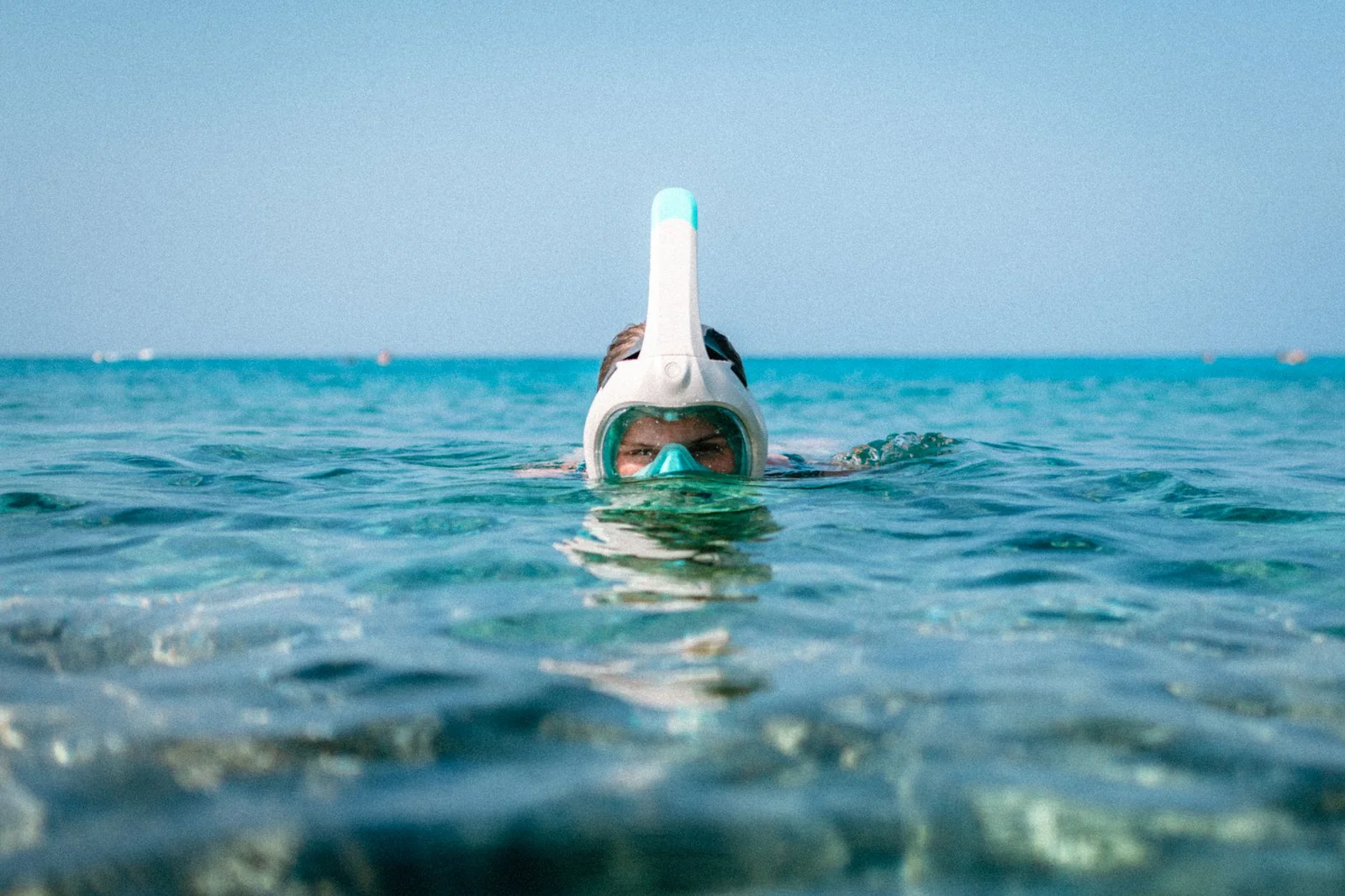
- Mask Comfort: Pack a well-fitted silicone mask plus reef-safe defogger so you see clearly during the brief underwater threshold swim.
- Sun & Reef Defense: Wear a long-sleeve UV rash guard and mineral zinc sunscreen applied 20 minutes before entering water.
Footwear: Water Shoes vs. Trail Sneakers vs. Fins
Your footwear needs change completely depending on whether you booked a boat tour or plan an independent coastal hike and swim. Step onto a motorized boat at Santa Martha Harbor and you ride aboard barefoot or in light sandals, slipping into supplied fins on the swim platform right before jumping into 3 to 6 meters of water. That takes almost zero gear planning!
Set out on foot from Playa Santa Cruz, however, and you cross rough, sun-heated coral limestone ridges mixed with prickly cactus brush and dark beach pebbles at Boka Santu Pretu. Thin resort flip-flops snap mid-trail or twist sideways on jagged rocks. Even standard thin mesh water socks let sharp limestone teeth bruise your soles over 45 minutes of hiking. Instead, pick one of two smart setups:
- All-Terrain Amphibious Sandals or Thick-Lug Water Shoes: Look for closed-toe rubber bumpers and stiff drainage soles (like trekking water sandals or thick-soled neoprene dive booties). You wear them comfortably across the 2-km trail, keep them right on your feet swimming into Blauwe Kamer without getting cut if you brush rock near Boka Santu Pretu, and dry fast on the walk back.
- Trail Runners + Compact Travel Fins: Strong swimmers entering directly from Boka Santu Pretu beach sometimes hike in lightweight sneakers with ankle socks, then stash shoes inside a floating tow-buoy dry bag while kicking out in short travel fins. Keep total pack bulk light, though, because towing heavy wet sneakers through coastal currents creates extra drag against your legs.
Wait: what about packing fins inside carry-on luggage? Standard long freediving blades never fit normal backpacks, yet short 14-to-18-inch travel snorkel fins slip easily into any standard daypack or suitcase corner. If you plan multiple Curaçao shore swims at Playa Piskado and Grote Knip, owning compact fins pays for itself within two beach mornings.
Waterproof Dry Bags, Key Fobs & Shore Security
Modern rental cars across Curaçao frequently rely on electronic proximity key fobs rather than plain waterproof metal keys. Dunk one digital key fob in Caribbean saltwater inside a flimsy velcro pouch and you face a $250 to $400 USD (~€230 to €368) tow and replacement headache all the way out in Banda Abou!
Always test your sealing method at your hotel sink before driving west:
- Double-Seal Electronic Keys: Slip electronic car fobs inside a thick zip-lock bag first, squeeze air flat, then drop that inside a roll-top PVC/TPU dry bag (5L or 10L) rolled at least three crisp turns before buckling.
- Crossbody Swim Tether vs. Leaving Bags on Rocks: Never leave backpacks sitting unattended on Boka Santu Pretu beach or perched on cliff ledges above Blauwe Kamer while you swim inside. Friendly goats chew stray straps, sudden rogue waves knock bags off rocky shelves, and unattended trailhead theft remains a completely avoidable risk. Clip a compact 5L dry bag diagonally across your chest or around a buoyancy belt so valuables float safely right behind your shoulder without weighing down your stroke. Leave passports, chunky DSLR lenses, and spare wallets locked back at your hotel safe before leaving town (see our getting there safety notes).
How do you keep a floating dry bag from riding up around your chin while duck-diving under the submerged arch? Keep half the bag’s trapped air squeezed out before rolling the top! A half-inflated bag stays streamlined behind your lower back on a waist strap rather than fighting your dive downward under the rock lip.
Capturing the Blue Glow: Camera & Phone Settings That Work
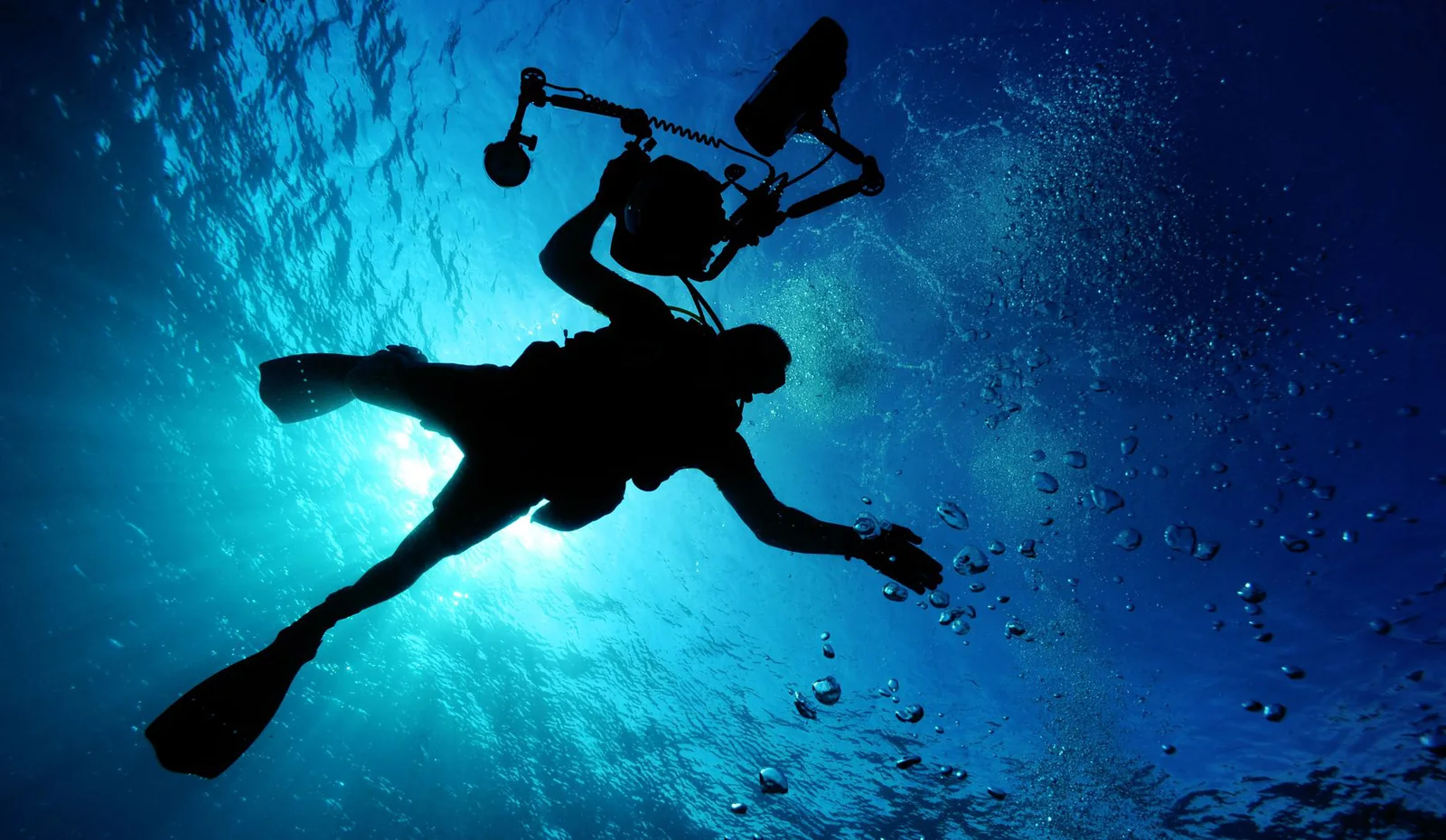
Blauwe Kamer poses a classic photography challenge: dark damp rock overhead combined with blinding sunlit cyan bouncing up from deep water below. Auto-exposure smartphones inside soft plastic pouches almost always misfire. They either blow out the bright water doorway into solid white glare or crank digital ISO until the cavern ceiling dissolves into muddy gray grain!
Get crisp, natural blue shots inside the dome with four practical tweaks:
- Use an Action Camera + Floating Wrist Strap: A GoPro, DJI Osmo Action, or Insta360 strapped firmly to your wrist handles duck-under entry cleanly without snagging on rocks. Add a bright orange floaty sleeve around the housing just in case a wrist clip loosens in chop.
- Shoot 11:00 AM to 1:30 PM (
-0.7to-1.0 EVExposure Bias): Dial exposure compensation down slightly (-0.7 EVor-1.0 EV) before swimming under the brow. Under-exposing slightly preserves rich cobalt texture in the sunlit water while keeping silhouettes crisp against glowing turquoise ripples! - Avoid Underwater Flash Inside the Dome: Popping flash or harsh video dive lights inside the air-filled chamber instantly kills the neon-blue optical mood, illuminating dull beige limestone dust inches from your lens instead of distant indigo water refraction. Keep external lights switched off unless shooting close-up fish in shaded wall crevices outside.
- Prevent Lens Water Droplets & Fogging: Wipe your dome or flat lens port clean right before floating still for half-and-half split shots. Pack tiny silica desiccant strips inside waterproof housings sealed in humid beach air so warm lens interiors never steam up during cooler swims.
Video captures Blue Room Cave far better than single frantic snapshots anyway! Hold your camera steady at chest height using slow sweeping turns along the entrance beam, and lock frame rate at 60fps in 4K so slight wave bobbing looks silky smooth when played back later.
Mask, Snorkel, Sun Protection & First-Aid Essentials
Even if you ride an organized charter from our tour comparison list, bringing a few personal pocket essentials makes water time dramatically smoother:
- Anti-Fog Dropper & Personal Mask: Rental gear occasionally comes with stubborn silicone film or loose strap buckles. Carrying your own soft silicone mask plus two drops of reef-safe defog saves annoying mask-clearing every three minutes while floating inside Blauwe Kamer.
- Long-Sleeve UPF 50+ Swim Shirt (Rash Guard): Covers your back completely during 30-to-60-minute surface swims and shields skin from stinging hydroids or itchy algae specks along rock walls.
- Reef-Safe Mineral Sunscreen (Zinc Oxide / Non-Nano Titanium): Skip oxybenzone and octinoxate chemical sprays, which bleach corals along western reefs and create hazy oily slicks inside calm cave waters. Apply mineral lotion 20 minutes before hitting water so it binds to skin cleanly.
- 1.5 to 2.0 Liters Water + Mini Trail First Aid: Essential for Santa Cruz hikers. Pack electrolyte packets, waterproof fabric bandages, antiseptic wipes (coral scrapes get infected easily if ignored in tropical humidity!), and fine tweezers in case a careless hand grazes a sea urchin outside the entrance.
Before packing your daypack, double-check live tide and sunlight windows, review ocean safety rules, and compare underwater visibility expectations so every item in your dry bag earns its weight.
Traps, Restrictions & Tourist Realities
- Taking Unsecured Smartphones Into the Cave: Typing wet fingers into cracked touchscreen pouches while treading 5 meters of water leads straight to dropped phones sinking onto the sandy cavern floor.
- Using Flashlights on Silverside Schools & Swimmers: Blasting high-lumen dive beams directly into other snorkelers’ eyes ruins night adaptation inside the shadowed cavern dome and blinds incoming swimmers ducking under the threshold.
- Ignoring Tiny Coral Scratches: Limestone and fire-coral scrapes harbor marine bacteria; rinse any nick immediately with clean drinking water and antiseptic back at Santa Cruz rather than waiting hours until returning to Willemstad.