
Timing makes or breaks Blue Room Cave. Arrive at 8:00 AM on a cloudy morning and the cavern looks surprisingly dark; swim in near noon under crisp overhead sun and every wet limestone ledge glows like neon cobalt! Knowing how solar angles, small Caribbean tide swings, afternoon wind chop, and tour boat traffic overlap lets you catch peak color without twenty snorkel fins splashing right beside your mask.
Essential Logistics & Takeaways
- Peak Glow Window: 11:00 AM to 2:00 PM delivers maximum electric-blue illumination from steep overhead sunlight reflecting off the sandy floor.
- Sweet-Spot Arrival: Aim for 10:45 AM to 11:15 AM (or 1:30 PM to 2:15 PM right after lunch charters cycle out) for bright rays with fewer boats anchored outside.
- Tide Clearance: Lower tides expose an easier breathing gap at the cavern mouth; rising high tides require a brief 1-meter duck-under.
- Afternoon Wind Shift: Easterly breeze builds mild chop after 1:30 PM, though the leeward western shoreline usually stays sheltered unless southern or western swells arrive.
Why Solar Angle Controls the Electric-Blue Glow
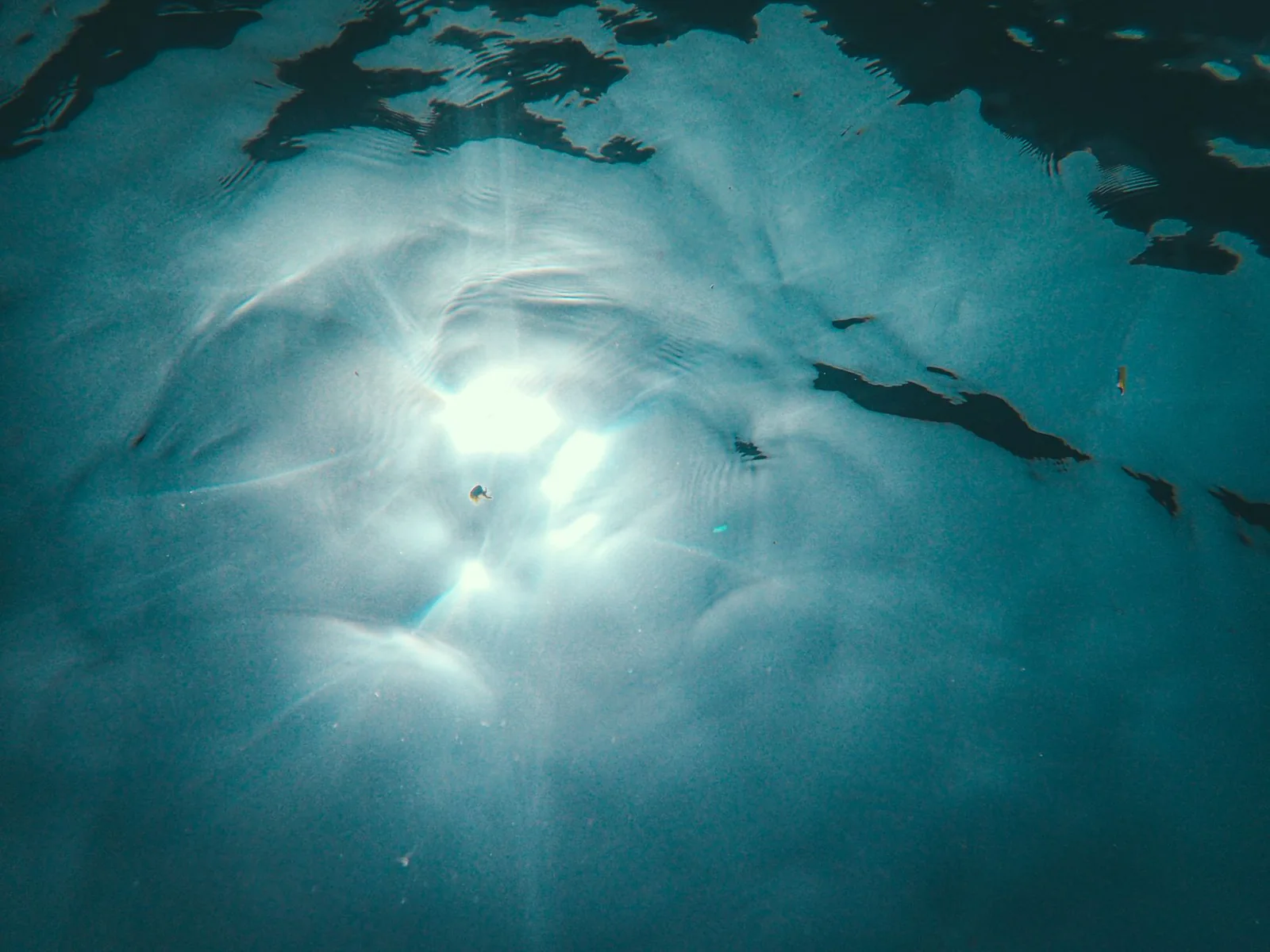
Blauwe Kamer does not glow from bioluminescence, underwater spotlights, or volcanic minerals. Everything comes down to natural coastal optics inside a half-submerged limestone dome. Clear Caribbean sunlight drops vertically through bright water outside the cliff face, penetrates 3 to 6 meters (10 to 20 feet) down to pale coral sand and smooth white pebbles along the cave floor, and bounces straight upward into the shadowed ceiling cavity. Water absorbs red, orange, and warm yellow wavelengths within the first few meters, leaving concentrated electric blue bouncing off wet cave walls!
Look at what happens when you show up at different solar angles throughout the day:
- Early Morning (8:00 AM to 9:45 AM): Sunlight slants low from the east over Curaçao’s interior hills, leaving the west-facing cliff in partial shadow. Yes, surface water stays glassy flat early in the morning before wind picks up. Yet inside the grotto, colors look muted slate-blue rather than dazzling neon cyan.
- Peak Midday Window (11:00 AM to 2:00 PM): Once the sun climbs nearly overhead, bright shafts cut deep beneath the submerged rock brow and flood the entire sandy floor evenly. Even short smartphones capture vivid azure walls without heavy editing during those middle three hours!
- Late Afternoon (After 3:30 PM): Sun glare starts shifting lower westward across the open Caribbean horizon, pushing steep surface reflections straight across the entrance rather than straight down onto the seabed. Wait until 4:00 PM and shadows swallow interior wall texture rapidly while hikers face dimming light back along jagged Santa Cruz trails.
If photography ranks high on your wishlist, check our gear and camera guide before swimming in, because low-light sensors still demand steady floating and slightly negative exposure bias inside shaded corners.
Balancing Midday Boat Crowds vs. Water Calm
Naturally, every boat captain from Willemstad, Blue Bay, and Santa Martha Harbor schedules stops right inside that bright 11:00 AM to 1:30 PM window. On double-cruise-ship days or busy holiday weekends, two or three speedboats and catamarans frequently bob outside the arch simultaneously. Suddenly thirty snorkelers splash through the threshold at once, churning sand slightly and echoing chatter loudly across the vaulted ceiling!
How do seasoned local guides beat that midday crunch without sacrificing bright sun? Use either of two smart shoulder windows:
- Late-Morning Shoulder (10:30 AM to 11:15 AM): Most large day-charters departing central Willemstad spend 75 to 90 minutes motoring northwest up the coast, dropping anchors closer to 11:45 AM or noon. Boarding a quick 2-hour boat tour ($54 / ~€50) from Santa Martha Harbor or starting a calm shore swim from Boka Santu Pretu by 10:15 AM puts you inside Blauwe Kamer just as sunbeams brighten and right before full-day boats crowd the entrance.
- Post-Lunch Clearing (1:30 PM to 2:15 PM): Full-day turtle and pizza boat groups frequently lift anchor by 1:00 PM to reach Playa Piskado or Grote Knip, leaving the grotto remarkably peaceful while steep overhead sunlight still lights the floor! Just watch afternoon sea breeze carefully before committing to an unassisted shore swim later in the day.
Checking Tides & Seasonal Swell Patterns
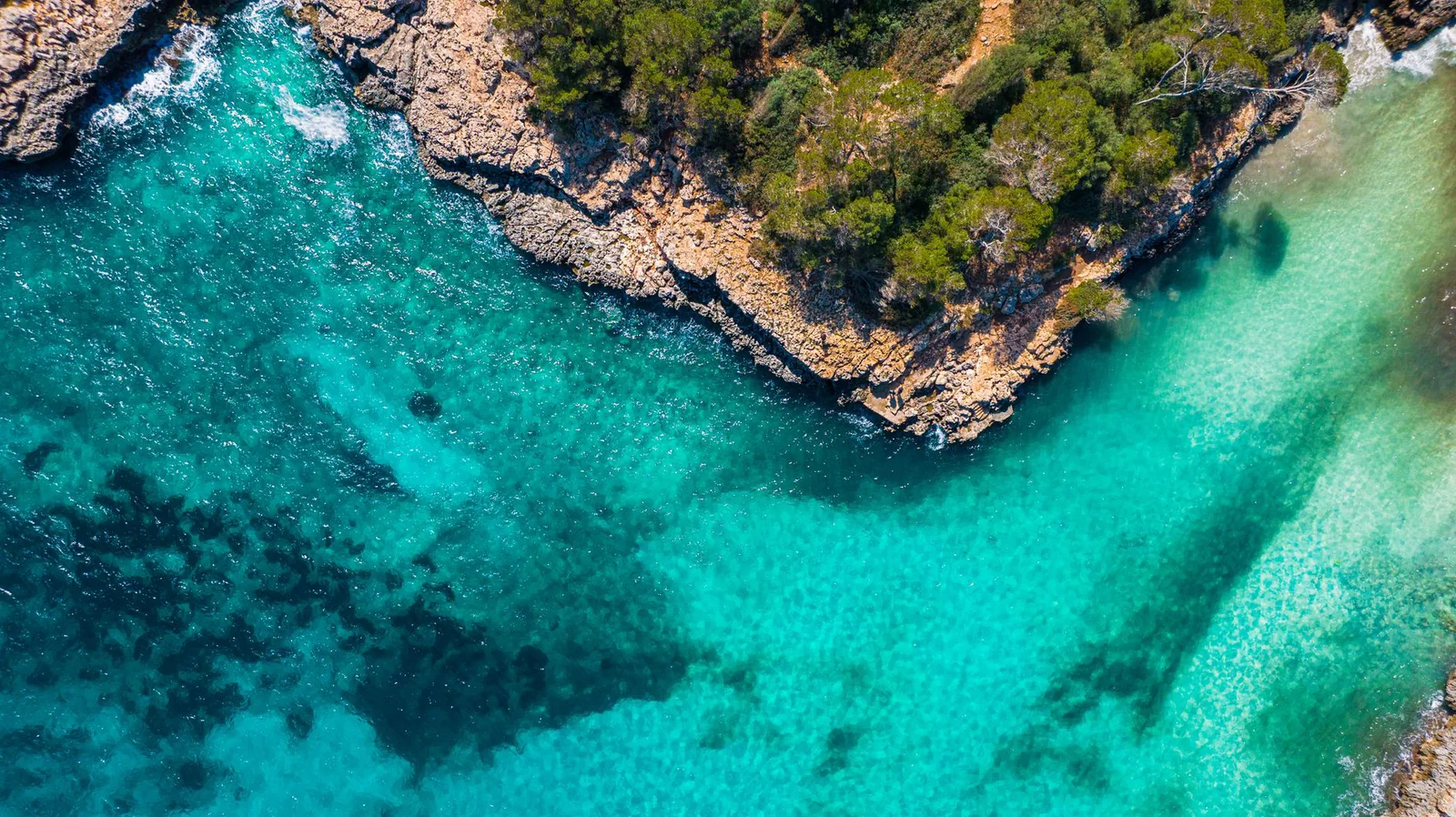
Unlike dramatic North Atlantic coastlines where ocean levels rise and drop three full meters every six hours, Curaçao’s sheltered Caribbean tides fluctuate gently, usually swinging only 30 to 50 centimeters (1 to 1.5 feet) between daily highs and lows. You might think 40 centimeters barely matters. Not true! At Blue Room Cave, that tiny half-meter swing sits right across the stone lip of the entrance arch.
Check Willemstad or Westpunt tide tables online the night before driving west. Pair a low-to-mid tide with bright 11:00 AM sunlight whenever possible, especially if anyone in your family dislikes full underwater breath-holds. At low tide, calm mornings leave just enough breathing space beneath the stone edge to paddle through comfortably looking straight ahead through your mask. During high tide, expect to kick gently down 1 meter (3 feet) for a crisp two-second underwater glide beneath the threshold (read exact entry steps in our snorkeling guide).
Seasonally, Curaçao sits safely south of the core Caribbean hurricane belt and delivers sunny weather year-round. Still, wind directions shift subtly across seasons:
- Trade-Wind Calm (January through August): Reliable easterly winds blow off the land out toward open sea along the southwestern Banda Abou shoreline, grooming Santa Cruz and Blauwe Kamer like a natural shelter wall most mornings.
- Autumn Wind Shifts (September through November): Trade winds occasionally ease or briefly flip out of the south and west when distant tropical systems pass north of Venezuela and the ABC islands. When winds turn westerly or southerly, swells roll straight into west-facing limestone cliffs, temporarily shutting down both land swims and boat charters for one to three days until waves subside.
Reading Sky Conditions & Afternoon Wind Before Leaving Town
Wait before pointing your rental hood northwest: check quick local radar or coastal wind charts around 8:00 AM! Passing trade-wind showers sweep across Curaçao fast, sometimes dumping warm rain for twelve minutes over Willemstad before vanishing completely into clear sky over Soto. Light brief rain rarely spoils Blauwe Kamer once clouds move past, because limestone terrain drains rainwater fast rather than turning beaches muddy like volcanic islands.
Heavy unbroken overcast skies behave very differently, though. Without direct solar radiation piercing through the sea outside the cave wall, the sand seabed inside looks dull slate-blue rather than dazzling cyan. Should a thick gray trough linger all morning over Banda Abou, pivot smoothly toward land landmarks or reschedule your boat excursion for the next sunny morning.
Also think honestly about wind speed rather than rain alone. East winds blowing 15 to 20 knots keep Santa Cruz bay remarkably flat behind coastal ridges, yet anything rotating south or west above 12 knots begins pushing noticeable chop across Boka Santu Pretu and straight up under Blauwe Kamer’s lip. When winds top 18 knots from the south, even Playa Santa Cruz water taxis frequently stay pulled up on sand rather than bouncing open skiffs beside sharp rocks.
Smart Scheduling Buffer for Your Curaçao Trip
Never save Blue Room Cave for your final morning before flying home! Schedule your boat trip or self-drive west-coast day during the first two or three days of your stay. If unexpected autumn swells churn foam across the mouth (check safety limits here), pre-booked GetYourGuide and Viator tours from our tour comparison page offer 24-hour free cancellation or flexible date swaps so you pivot effortlessly to protected bays or adjust your transport day later in the week.
How long should you stay inside once timing lines up cleanly? Most snorkelers find 25 to 35 minutes inside the chamber and along the exterior wall plenty! Skin cools gradually floating without heavy swimming, and checking out nearby reefs keeps your west-coast afternoon lively rather than crowding the doorway.
Traps, Restrictions & Tourist Realities
- Chasing Late Sunset Light (4:00 PM+): Arriving near late afternoon drops the cave interior into deep shadow, increases wind chop on the swim back, and leaves hikers scrambling sharp cliffs in fading daylight.
- Booking a Single Unchangeable Slot on Cruise Days: Schedule Blue Room Cave on your first full beach day when staying on-island so free weather rebooking remains an easy option if swell closes the arch.
- Skipping Cloud Checks: Dense passing rain squalls instantly turn the underwater glow dark gray; wait 10 to 15 minutes floating outside for sun breaks before swimming back to the boat.